
Latest
President Tinubu’s Big Tech Directive: A Validation Of Senator Ned Nwoko’s Legislative Foresight

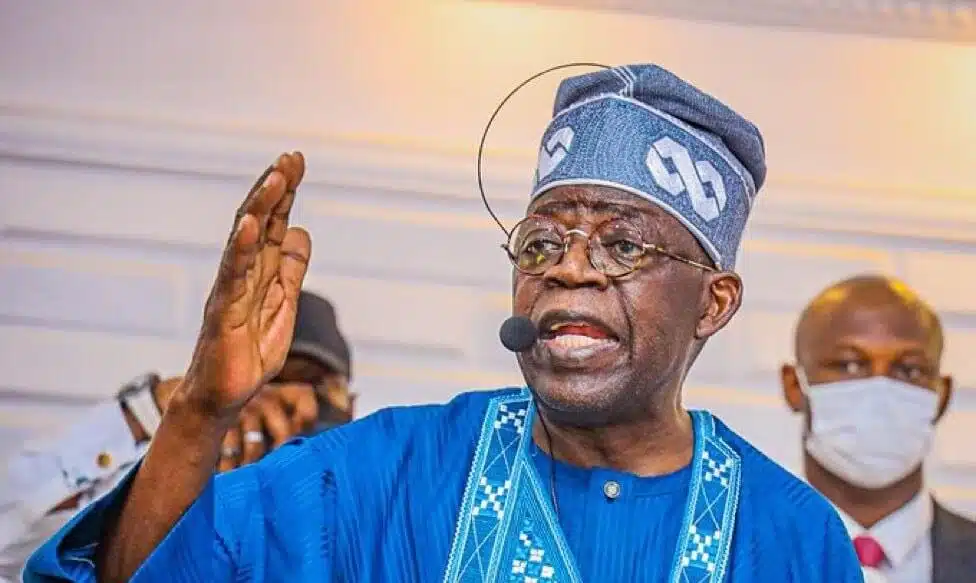
....KINDLY READ THE FULL STORY HERE▶
There is a tendency in Nigeria to judge lawmakers almost exclusively by the number of constituency projects they attract. Roads, boreholes, schools and health centres have become the dominant metrics for measuring legislative performance. Important as those interventions are, they should never eclipse the legislature’s principal constitutional responsibility to identify policy gaps, anticipate emerging national challenges and provide the legal frameworks to address them.
President Bola Ahmed Tinubu’s recent directive to the Federal Competition and Consumer Protection Commission (FCCPC) to investigate Meta, Google, X and certain Artificial Intelligence platforms over claims relating to anti-competitive practices and the use of Nigerian news content offers a timely opportunity to reflect on what proactive lawmaking should look like.
The presidency is beginning to confront a question many countries have grappled with in recent years: what should be the obligations of global technology companies operating within sovereign states whose citizens constitute one of their largest markets?
Before the President’s directive, Senator Ned Munir Nwoko (Delta North), had already introduced a Bill seeking to amend the Nigeria Data Protection Act, 2023. The proposed amendment seeks to mandate social media platforms, data controllers and data processors operating in Nigeria to establish and maintain physical offices within the territorial boundaries of the Federal Republic of Nigeria.
The Bill identifies three critical gaps.
First is the absence of local representation. Without physical offices, resolving user complaints, engaging regulators, addressing content moderation issues or responding to matters unique to Nigeria often becomes unnecessarily slow and cumbersome.
Second is the economic cost. Senator Ned Nwoko argued that Nigeria continues to lose thousands of potential jobs in customer service, legal compliance, content moderation, marketing and software development because these companies operate remotely while serving one of their largest markets. Beyond employment, he pointed to opportunities for technology transfer and stronger partnerships with Nigeria’s growing technology ecosystem.
Third is the legal and regulatory challenge. As the Senator observed during the debate, enforcing data protection obligations, resolving disputes and protecting users’ rights become considerably more difficult when companies maintain no institutional presence within the jurisdiction where millions of their users reside.
It is difficult to examine President Tinubu’s latest directive without recognising that it speaks to the same evolving policy environment. Every serious nation eventually arrives at the same point. The European Union has strengthened digital regulations. Australia confronted technology companies over payments for news content. Canada enacted similar reforms. South Africa has also intensified conversations around the relationship between global platforms and local media. These countries understand that the digital economy cannot continue to function on the assumption that technology companies may freely benefit from local markets without accepting corresponding responsibilities within those jurisdictions.
If recent developments are anything to go by, Senator Ned Nwoko’s legislative foresight deserves greater attention. Time continues to validate many of the policy conversations he chose to lead.


Social Media Buzz As Iyabo Ojo Speaks Frankly On Sex And A Woman’s Glow

Political Storm: ADC Accuses Authorities Of Assaulting El-Rufai’s Wife, Arresting His Doctor

Video: Falana Challenges Ali Modu Sheriff, Revives Boko Haram Sponsorship Allegation

Power Struggle Erupts In NDC As Kwankwaso Ticket Battle Puts Obi, Dickson Under Pressure

Fresh Twist: ICPC Explains Arrest Of El-Rufai’s Personal Doctor

FG Names Gbajabiamila, 10 Others As Key Witnesses In Controversial Presidential Agency Case

Doctor Who Evaluated Nnamdi Kanu Reportedly Arrested, Raises Fresh Questions

If The Agency Doesn’t Exist, Why Was I Meeting Its Heads?” Adeniyi Adeyemi Challenges Presidency

Fans Alarmed As Viral Video Of Hanks Anuku Sparks Reactions From Segun Arinze, Jerry Amilo
