
Latest
Sanusi Tears Into National Assembly: ‘Why Were You Silent Over Illegal Borrowing For 8 Years?

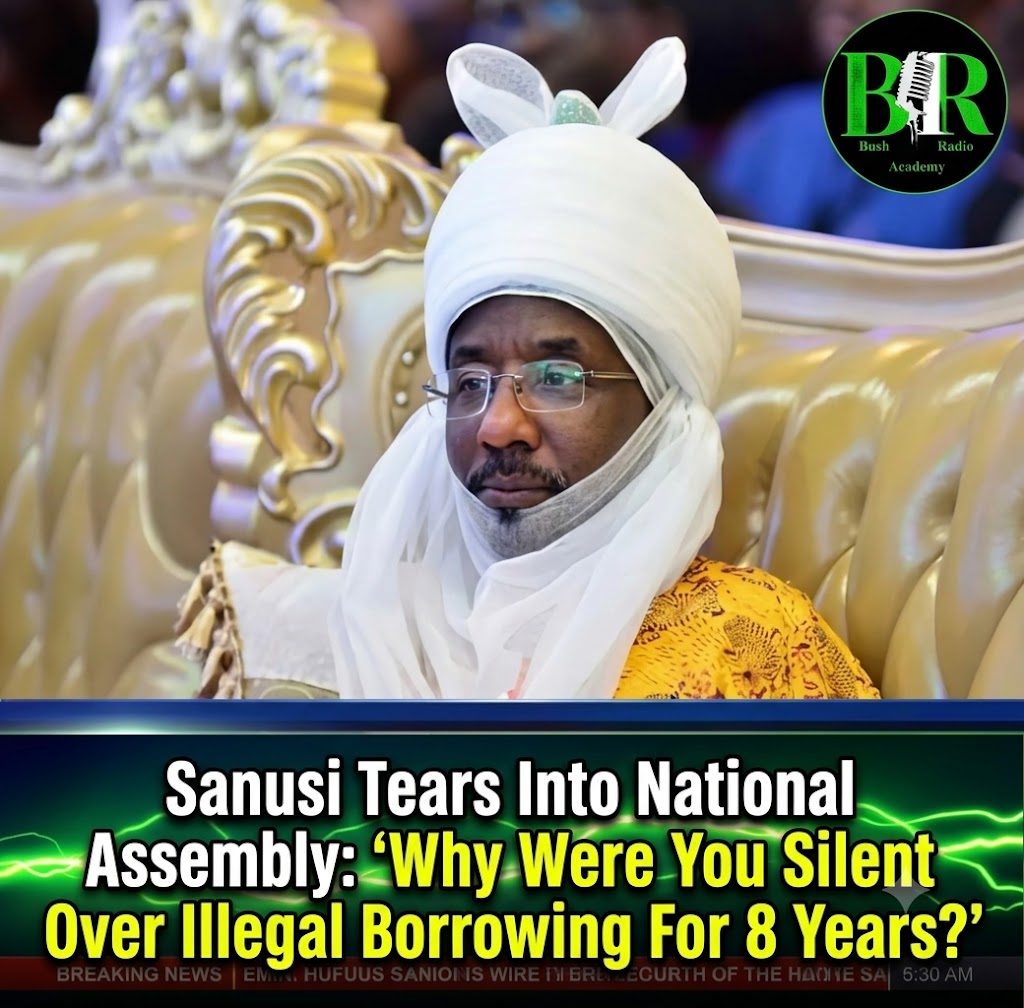
The Emir of Kano, Muhammadu Sanusi II, has criticised the National Assembly for allegedly failing to stop successive federal governments from breaching laws governing borrowing from the Central Bank of Nigeria (CBN).
Speaking to journalists over the weekend, the former CBN Governor accused lawmakers of neglecting their constitutional responsibility to hold the executive accountable, particularly over government borrowing from the apex bank.
Sanusi said existing laws clearly limit the Federal Government’s borrowing from the CBN to no more than five per cent of the previous year’s revenue, but alleged that the provision was repeatedly ignored without any meaningful intervention from the legislature.
“The law provides that the Federal Government cannot borrow more than five per cent of the previous year’s revenue from the Central Bank. That law was violated repeatedly. The question is, where was the National Assembly? For eight years, the National Assembly remained silent,” he said.
According to the monarch, the legislature cannot effectively serve as an independent arm of government if it fails to ensure that the executive complies with the law.
He argued that one of the National Assembly’s primary responsibilities is not only to enact laws but also to oversee their implementation and hold the executive accountable whenever those laws are violated.
Reflecting on his time as Governor of the Central Bank, Sanusi recalled appearing before the National Assembly on numerous occasions to answer questions on relatively minor issues concerning the apex bank.
“I was invited before the National Assembly more than 20 times over issues relating to the Central Bank. I was questioned, scrutinised and challenged. Yet, during the years when the borrowing law was allegedly being violated, the same lawmakers said nothing,” he stated.
Sanusi maintained that Nigeria’s economic difficulties could have been significantly reduced if public institutions had consistently enforced existing laws and carried out their oversight responsibilities without compromise.
He stressed that strengthening democratic institutions and ensuring greater legislative oversight are essential to promoting fiscal discipline, transparency and accountability, while preventing similar economic challenges in the future.


THE 18,439-VOTE MISSION WHY WADADA COULD BE TINUBU’S NASARAWA GAME CHANGER

SALIU MUSTAPHA: YOU CAN DENY HIM A PARTY TICKET—BUT YOU CANNOT CONFISCATE THE GRASSROOTS

Transfer Boost: Kingsley Ehizibue Joins Genoa As Victor Orakpo Moves To Turkey

EPL Showdown: Arsenal, Chelsea Clash In Battle For London Supremacy

Continental Glory: Ikpeme Backs Edo Queens, Rangers, Others To Make Nigeria Proud

WHY OKPEBHOLO KNOWS WHAT HE IS SAYING ABOUT TINUBU’S 2.5 MILLION VOTES

Fake Agency Scandal: ICPC Recommends Punishment for 13 Officials — See Full List

Cement Hits ₦15,000: FCCPC Demands Answers From Dangote, BUA, Other Producers

Was The Sacrifice Worth It?” – El-Rufai’s Son Reveals What Father Told Him In Detention
