
Latest
Sh*ckwave! FG Unveils Fresh Tax Reform Laws – What It Means For Nigerians

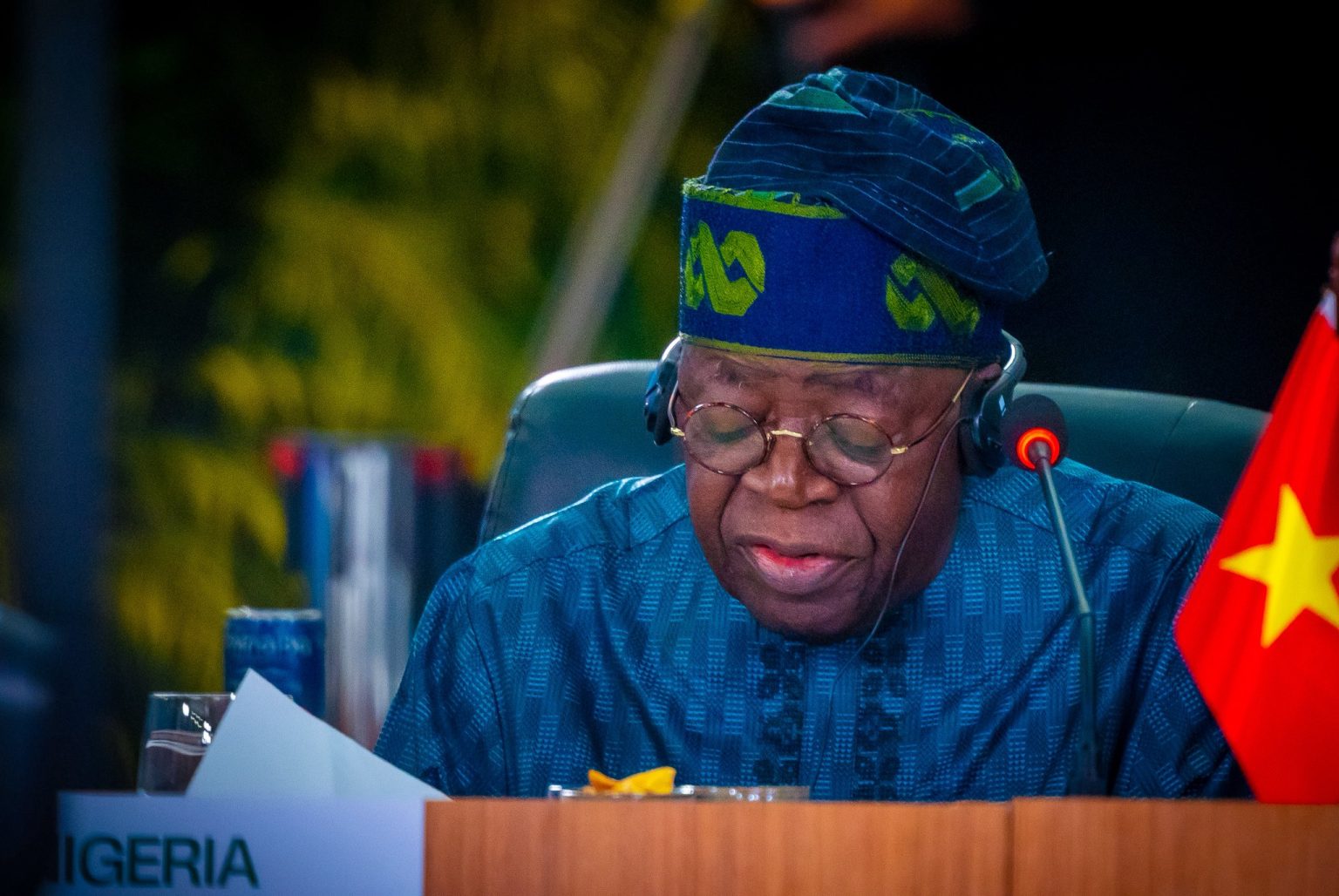
The Federal Government has officially gazetted Nigeria’s new tax reform laws, marking what it calls a historic transformation of the nation’s fiscal framework.
Signed into law by President Bola Tinubu on June 26, 2025, the reforms introduce fresh structures for taxation, administration, and revenue collection.
In a statement on Wednesday, Kamorudeen Yusuf, Personal Assistant on Special Duties to the President, said the fiscal overhaul is anchored on four legislations:
-
Nigeria Tax Act (NTA), 2025
-
Nigeria Tax Administration Act (NTAA), 2025
-
Nigeria Revenue Service (Establishment) Act (NRSEA), 2025
-
Joint Revenue Board (Establishment) Act (JRBEA), 2025
According to Yusuf, the reforms are designed to simplify Nigeria’s tax system, ease pressure on small businesses, attract investments, and strengthen fiscal stability—all in line with President Tinubu’s Renewed Hope Agenda to diversify revenue away from oil.
Key Highlights of the Reforms
-
Exemptions: Small businesses with turnover below ₦100m and assets under ₦250m will not pay corporate tax.
-
Corporate Tax Rate: For large firms, the rate could be reduced from 30% to 25% at the President’s discretion.
-
Top-up Tax Thresholds: ₦50bn for local firms and €750m for multinationals.
-
Tax Credits: Eligible projects in priority sectors will enjoy a 5% annual tax credit.
-
Currency Transactions: Companies transacting in foreign currency may now pay taxes in naira, based on official exchange rates.
Implementation Timeline
The rollout will be phased:
-
The NTA and NTAA will take effect on January 1, 2026.
-
The NRSEA and JRBEA will kick off from June 26, 2025.
Officials said the staggered timeline is to allow businesses time to adjust and enable regulatory bodies to set up the required infrastructure.
The Tinubu administration stressed that the reforms are not only about raising revenue but about ensuring long-term economic stability.
“These measures are built to drive compliance, encourage investment in critical sectors, and deliver a transparent, predictable tax system that can sustain Nigeria beyond oil,” Yusuf added.


SALIU MUSTAPHA: Why He Appears Unstoppable in Kwara Central

Atiku Under Fire As Murray-Bruce Declares: ‘Bringing Back Fuel Subsidy Won’t Solve The Problem

They Are Exploiting Him’ — Ogogo’s Daughter Speaks Out Over Millions Raised Amid Father’s Cancer Fight

Trump Alarms Republicans With Impeachment Warning: ‘I Am Going To Be Impeached

Obasanjo Almost Abandoned Second Term Over Coup Plot — Donald Duke Reveals

OKPEBHOLO DECLARES WAR ON REVENUE LEAKAGES, SECRET ACCOUNTS AND ILLEGAL TAX COLLECTION IN EDO

BREAKING: US Ends Temporary Protection For 12 Countries — See Full List

Peter Obi Can’t Be President” — Dino Melaye Reveals His Reason!

2027: Full List Of Presidential Candidates, Parties That Signed Peace Accord
