
Latest
They Hate The Truth — Emir Sanusi Reveals Why He’s Seen as An Enemy By Those In Power

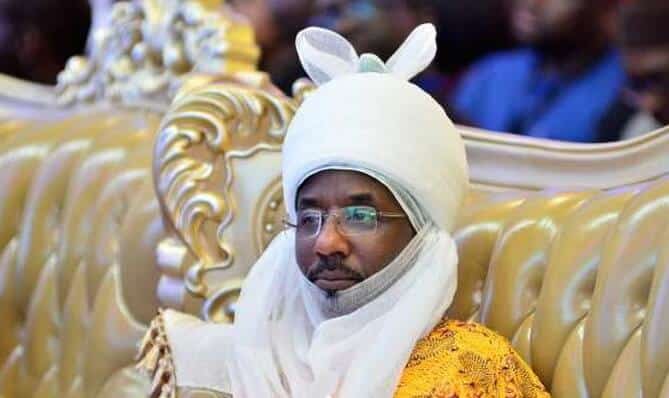
The Emir of Kano, Muhammadu Sanusi II, has expressed concern over the prevalence of sycophants in Nigeria’s political sphere, arguing that many aides and advisers fail to give leaders honest feedback, opting instead to tell them what they want to hear.....KINDLY READ THE FULL STORY HERE▶
Sanusi, a former Governor of the Central Bank of Nigeria (CBN), made the remarks on Monday in Abuja at the Oxford Global Think Tank Leadership Conference and Book Launch, where he and Atedo Peterside discussed Nigeria’s economic policies and governance challenges.
“I speak the truth to those in power, and that is why many in government do not like me,” he said, urging ministers and presidential aides to provide honest advice rather than blind praise.
The Emir lamented that while sycophancy is rampant among those in leadership, individuals who offer candid feedback are often perceived as enemies of the government.
“Our leaders listen only to those who tell them what they want to hear. Nigeria has too many sycophants in government. Those who speak the truth are seen as enemies of the state,” he said.
“You sit in a meeting with the President, and the first words you hear are, ‘Mr. President, thank you for your great leadership. God has blessed Nigeria by making you our leader.’ By the time this flattery ends, it is their advice that the President accepts. But when you point out what is wrong, you are labeled the enemy. That is why people like Atedo Peterside and myself are always seen as adversaries — because the truth is uncomfortable.”
Sanusi specifically called on those working closely with the President to avoid blind loyalty and to provide honest counsel.
“Those who work with the President must understand that it is not their benefit to turn themselves into praise singers. You disgrace both yourself and the office you hold when you do that,” he warned.
On Tinubu’s Economic Policies
The Emir commended President Bola Tinubu’s administration for taking bold steps such as removing fuel subsidies and unifying exchange rates. However, he cautioned that without institutional discipline and prudent spending, these reforms could fail.
“If you stop paying subsidies but continue borrowing more, you’ve filled one hole only to dig another. The real challenge now is the quality of government spending and management of the revenues saved,” he said.
Sanusi also urged the government to lead by example by cutting unnecessary public spending.
“Why do we need 48 ministers? Why do we need long convoys and endless travel expenses? We cannot preach sacrifice to the people while living in luxury at the top,” he questioned.


Breaking: Tinubu Heads To Kenya, Rwanda, France On Diplomatic Mission

Terror In Sokoto: Bandits Kidnap Deputy Governor’s Relatives In Fresh Attack

I’m The Chef At Home!” – Banky W Reveals He Does The Cooking, Not His Wife

Social Media Erupts As Yul Edochie Questions Obi’s Ability To End Poverty

Breaking Silence: Gbenga Daniel Reveals His Side Of The Story

Breaking: Complete List Of Charges Filed Against Timipre Sylva And Alleged Coup Network Exposed

Political Tension Rises As Tonye Cole Grabs APC Ticket Form For Rivers Clash

Delta State Tragedy: Police Reveal New Details On Officer’s Role In Fatal Incident

Lagos 2027 Shake-Up: Obasa Backs Hamzat As Tinubu, GAC Reach Crucial Decision
