
Politics
Rising Prices Of Diabetes Medications Spark Calls For Government Subsidies

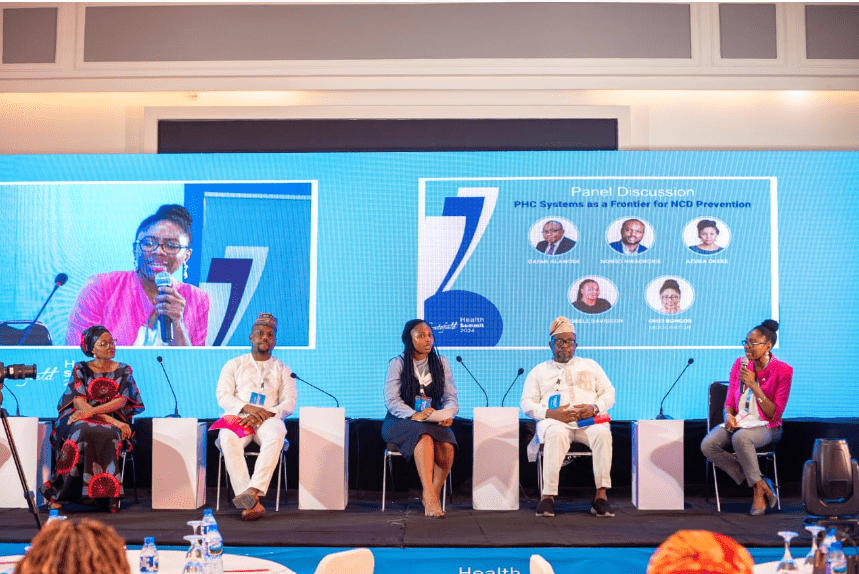
Rising Prices Of Diabetes Medications Spark Calls For Government SubsidiesExperts have raised alarms about the skyrocketing costs of diabetes treatment, which have rendered it unaffordable for most Nigerians and led to a crisis in hospitalizations. This concern was echoed by the public strategy and media group, Gatefield, which has urged President Bola Tinubu to establish a diabetes drug subsidy fund as part of a broader strategy to address Nigeria’s healthcare challenges.....KINDLY READ THE FULL STORY HERE▶
During the 2024 Gatefield Health Summit in Abuja, themed “Beyond 65: Preventing the Quiet Epidemic,” findings revealed that the average annual cost of diabetes management has surged to approximately ₦1 million in 2024, up from less than ₦500,000 in 2023. Gafar Alawode, the principal investigator of the study conducted by Gatefield and DGI Consults, emphasized the alarming trend, stating, “The poorest individuals now require over 600 percent of their annual income for basic treatment, leading to a notable increase in emergency care visits.”
Gatefield advocates for a subsidy on diabetes medications funded through increased sugar taxes, pointing to the World Health Organization’s recommendation for a minimum 20 percent tax to help curb sugar consumption. “We need to promote healthier lifestyles while ensuring that diabetes medication remains affordable for all Nigerians,” said Shirley Ewang, Gatefield’s Advocacy Lead.
Highlighting the urgency of the situation, the organization reported that one in every 17 adults in Nigeria suffers from diabetes, with complications affecting various organs if not treated promptly. Pharmacist Tobe Oloye noted that the rising costs have forced many patients to skip doses, adversely impacting their health and increasing the strain on the healthcare system.
Dr. Asmau Ribadu from the Hope for Her Foundation pointed out the disproportionate impact of diabetes on women, especially concerning reproductive health. Nutritionist Ify Omesiete emphasized the need for early education on healthy eating habits.
Experts like Dr. Nonso Nwaokorie of the Solina Centre for International Development stressed the importance of strengthening Nigeria’s primary healthcare system through robust supply chains, well-trained personnel, and community engagement. Azuka Okeke from the Africa Resource Centre for Excellence in Supply Chain Management highlighted the necessity for government support in local pharmaceutical production to combat drug shortages.
The crisis was poignantly illustrated during the premiere of Gatefield’s documentary “The Silent Epidemic: Diabetes in Nigeria,” where former President Olusegun Obasanjo shared his personal experience with diabetes. He underscored the need for early intervention and lifestyle modifications, such as maintaining a sugar-free diet.
The documentary revealed staggering statistics regarding medication prices, with some treatments now exceeding ₦500,000 per month, and essential drugs like Lantus experiencing price increases of over 100 percent.
For more information on this article and other related posts from Bushradiogist, please join our WhatsApp channel by clicking this link https://whatsapp.com/channel/0029VaUumOODTkK7AZL1Fw3o. For advertisement inquiries only, kindly send a message to 090 1907 0863 on WhatsApp.


Sh*ck Move: Kano Governor Orders All Political Appointees To Join APC

BREAKING: Nigerian Injured In Devastating Qatar Gas Explosion, FG Confirms

Full List: World Cup Round Of 32 Confirmed After Dramatic Group-Stage Finale

Sh*ck In Adamawa As Agriculture Commissioner D!es In Abuja

BREAKING: Latest Dollar To Naira Exchange Rate For June 28, 2026 Revealed

Momoh Receives National Youth Group, Reaffirms Commitment to Youth Empowerment and Regional Development

History in Edo: Okpebholo Nominates Enugu-born Martin Oli as Commissioner

Sh*cking Police Shake-Up As Oyigbo DPO Is Removed Over ₦500,000 Bribery Allegation

Dollar To Naira Sh*ck: Fresh Exchange Rate Revealed For June 21, 2026
