
Latest
NNPC Ltd & First E&P Slash Routine Gas Flaring By 96% In Groundbreaking Achievement

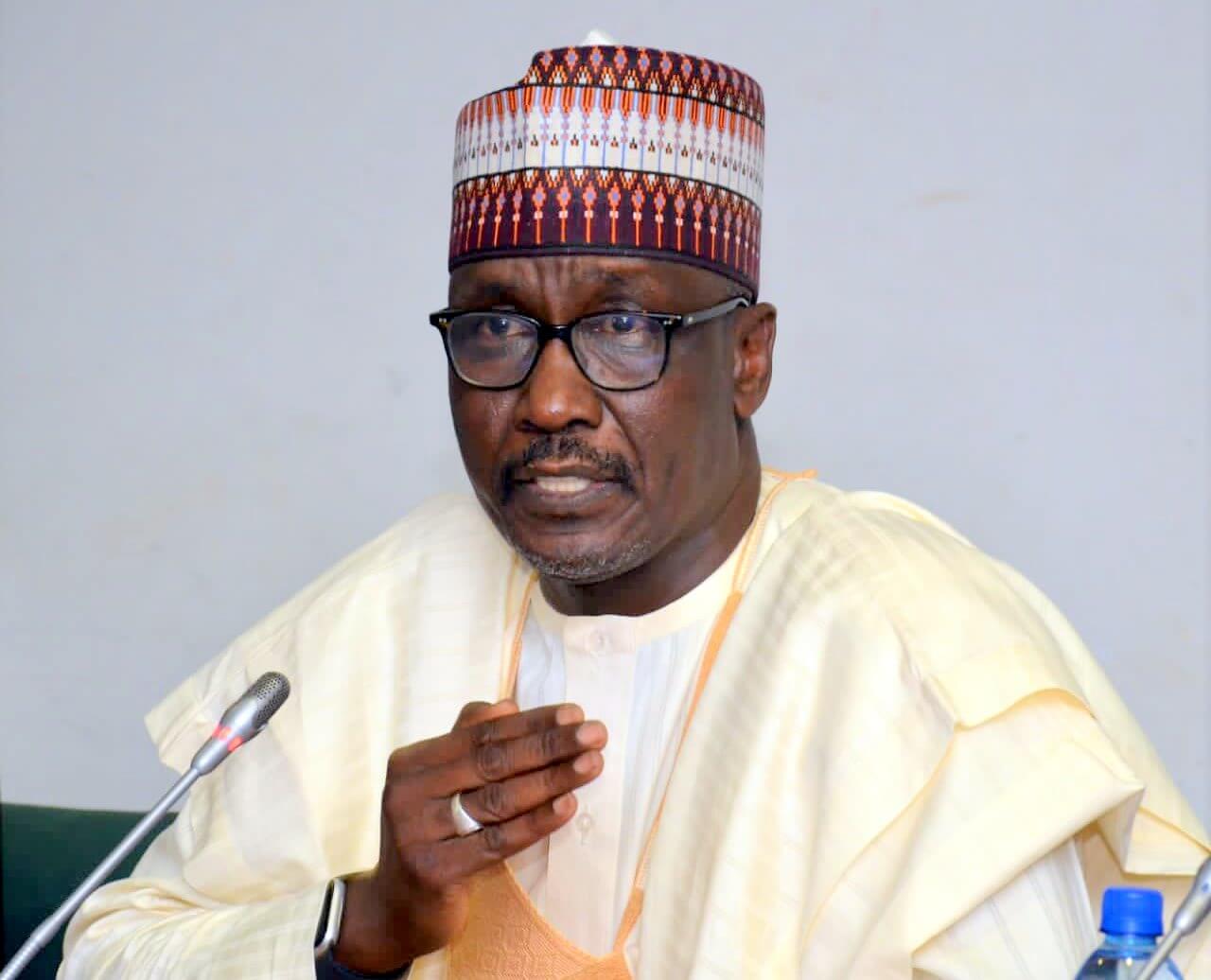
The Nigerian National Petroleum Company Limited (NNPCL), in partnership with First Exploration & Petroleum Development Company Limited (First E&P) Joint Venture (JV), has announced a 96% reduction in routine gas flaring.....KINDLY READ THE FULL STORY HERE▶
This achievement was disclosed in a statement on Thursday by NNPC spokesperson, Olufemi Soneye. The company emphasized that this success aligns with Nigeria’s pledge to cut greenhouse gas emissions by 20% unconditionally and 47% conditionally, as outlined in the Nationally Determined Contributions under the Paris Agreement.
The significant reduction was made possible through the adoption of an Associated Gas (AG) reinjection strategy, where gas is stored in a dedicated underground reservoir at the Madu field in OML 85, offshore Bayelsa State. This approach prevents gas from being flared, thereby reducing environmental harm.
“This reduction in AG flaring complies with the regulatory framework of the Nigerian Upstream Petroleum Regulatory Commission (NUPRC), reflecting the JV’s adherence to national environmental standards and global best practices,” the statement noted.
NNPC Group Chief Executive Officer, Mele Kyari, highlighted that the achievement demonstrates the company’s dedication to responsible resource management and sustainable energy production.
“This accomplishment showcases our commitment to responsibly utilizing resources and optimizing production to meet both energy demands and sustainability goals. It reflects our efforts to align with global standards and environmental best practices,” Kyari stated.
Echoing this sentiment, FIRST E&P’s Managing Director/CEO, Ademola Adeyemi-Bero, emphasized the JV’s dedication to environmental responsibility.
“This milestone highlights our firm commitment to environmental sustainability and responsible energy production. By significantly reducing our carbon footprint, we are fostering a sustainable energy future that benefits both the environment and the communities we serve,” Adeyemi-Bero said.



“TensioIn Abuja: INEC Leadership, Mackenzie Anyanwu In Fresh Legal Battle Over Court Order

Exit Sparks Reaction: Wale Edun Says He Is Proud Of His Time In Office

Inside Tinubu’s Mind: How Bola Ahmed Tinubu Responds To Critics Revealed

Supreme Court Showdown Looms As Julius Abure Fights For Control of Labour Party

Oyo 2027 Heats Up As Adebayo Adelabu Plans Resignation To Run

Breaking: Federal Government Of Nigeria Bans Cement Importation, Releases Full List Of Restricted Goods

Supreme Court Shocks Kano Emirate Case, Adjourns Hearing Till 2027

Here’s What Happened” — Ex-Army Chief Buratai Speaks On Borno Airstrike Tragedy

Succession Buzz: Olusi Reveals Who May Replace Sanwo-Olu In 2027
