
Latest
Terror Taxation: Retired Generals Reveal Why Military Can’t Stop Residents From Paying Bandits

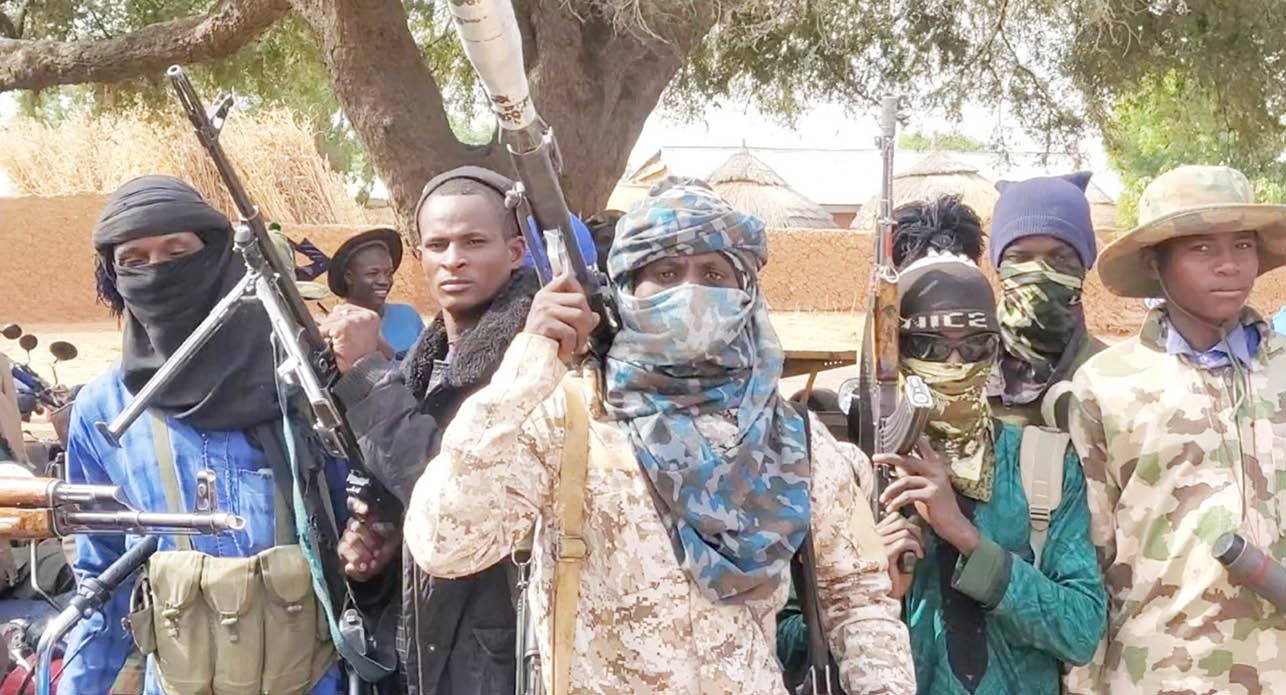
Retired military generals have acknowledged that the Nigerian military is unable to stop residents in troubled areas from paying levies and ransoms to bandits, despite ongoing counterterrorism efforts.....KINDLY READ THE FULL STORY HERE▶
The former officers expressed doubts about the military’s capacity to prevent locals from complying with bandits’ demands, citing the widespread fear of violent attacks in rural communities.
Since banditry escalated into an organized crime syndicate in northern Nigeria—characterized by mass kidnappings, village raids, and extortion—farming communities have been left with no choice but to pay ransoms, levies, and protection fees to ensure their survival.
A Crisis of Trust in the Military
Speaking with Punch, Gen. Ishola Williams (retd.), former Commandant of Army Signals and Chief of Defence Training and Planning, attributed the situation to a lack of public trust in the military’s ability to protect them.
“People no longer trust the military. If they were confident that refusing to pay levies would prompt immediate military intervention, no one would willingly part with their money. This is fundamentally a trust issue.”
He also suggested that some individuals within affected communities may be benefiting from the ransoms and levies, making community policing a crucial solution to the crisis.
Similarly, Brig. Gen. John Sura (retd.), former Commander of the 1 Division of the Nigerian Army, highlighted the absence of a consistent security presence in remote areas as a key reason why residents struggle to resist bandit demands.
“If a stronger force threatens to kill you unless you pay, what choice do you have?” he asked.
Sura pointed out that military forces are typically stationed at local government headquarters or along major roads, while affected villages are often located several kilometers away, making rapid response nearly impossible.
“Without security forces nearby, residents have to find alternative ways to defend themselves, like the Forest Guards in Benue State or local vigilante groups in Bauchi, which inflicted heavy losses on bandits and deterred further attacks. But where such defenses don’t exist, people are left with no choice but to pay for their safety.”
Manpower Shortage Worsens the Situation
Another retired general, who spoke anonymously, blamed the military’s limited personnel for its inability to provide adequate security.
“Security agencies can issue statements urging people not to fear bandits, but the reality is different. The bandits are right there in their communities, armed and in control.”
He stressed that Nigeria’s military size is too small to maintain a permanent presence in every affected area.
“In places like Sokoto, where people pay levies to bandits, the military isn’t stationed there permanently. They only come in for operations and then leave, while the bandits remain embedded in the communities.”
The retired general noted that even the police face the same challenge, with many local government areas having only a handful of officers to cover vast rural regions.
“If criminals attack these villages regularly, the residents will naturally fear those they see every day—not the security forces who come and go.”
This ongoing reality, they argue, makes it increasingly difficult for residents to resist bandits’ extortion, leaving them trapped in a cycle of fear, survival, and compliance.



Breaking: Oyo Lawmakers Pass Vote Of Confidence In Seyi Makinde Amid Impeachment Speculation

Controversy Erupts As Yul Edochie Questions Why Peter Obi Hasn’t Achieved More Politically

Chaos Erupts As Armed Police Disrupt Event At Gbenga Daniel’s House

Political Comeback: Ovie Omo-Agege Enters Delta Senate Race

Political Tension Rises As Supreme Court Rules On African Democratic Congress, Labour Party And Peoples Democratic Party Crises

Breaking: Federal Government Of Nigeria Bans Cement Importation, Releases Full List Of Restricted Goods

Supreme Court Shocks Kano Emirate Case, Adjourns Hearing Till 2027

Breaking: Complete List Of Charges Filed Against Timipre Sylva And Alleged Coup Network Exposed

Here’s What Happened” — Ex-Army Chief Buratai Speaks On Borno Airstrike Tragedy
