
Latest
Brace For Impact: Nigerians May Pay ₦2,000 Per Litre For Petrol Amid Global Tensions

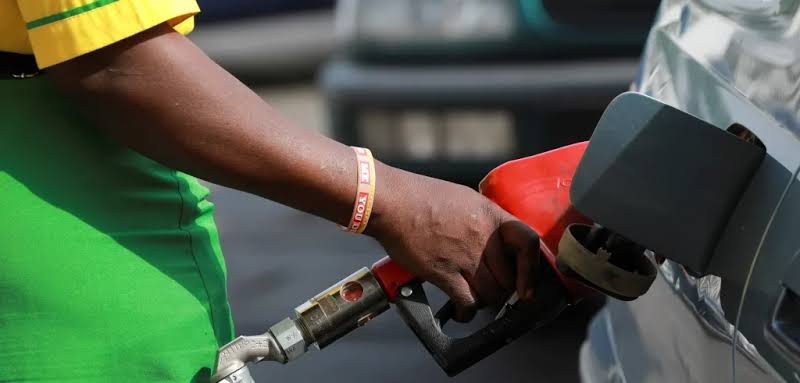
The Petroleum Products Retail Outlets Owners Association of Nigeria (PETROAN) has cautioned that the price of petrol could surge to about ₦2,000 per litre if the ongoing conflict in the Middle East continues.....KINDLY READ THE FULL STORY HERE▶


Latest2 minutes ago
Egbetokun Breaks Silence: Reveals Why He Was Ready To Leave As Police Chief

Latest6 minutes ago
Wike Speaks Out On Fubara’s Second Term Ambition – PDP Chieftain Reveals Details

Latest4 hours ago
Chaos In Taraba PDP Congress As Committee Declares Two Party Chairmen

Latest4 hours ago
Uzodimma Defends Tinubu, Says President Protected Nigeria From Bigger Trouble

Latest4 hours ago
Fresh Hope For PDP Unity As Makinde, Wike Camps Work To Align Reconciliation Terms

Latest1 week ago
Breaking: Governor’s Aide Quits In Kaduna, Sparks Political Rumors

Latest3 days ago
Breaking: President Tinubu Names Lamido Abubakar Yuguda As Deputy Governor Of CBN

Latest6 days ago
BREAKING: Appeal Court Upholds PDP’s Suspension Of Anyanwu And Three Other Leaders

Latest3 days ago
I Don’t Like Those Who Negotiate At Night” – Wike Calls Out Abba Moro

Latest3 days ago