
Politics
CBN Ends N9.7 Trillion Development Intervention Programs

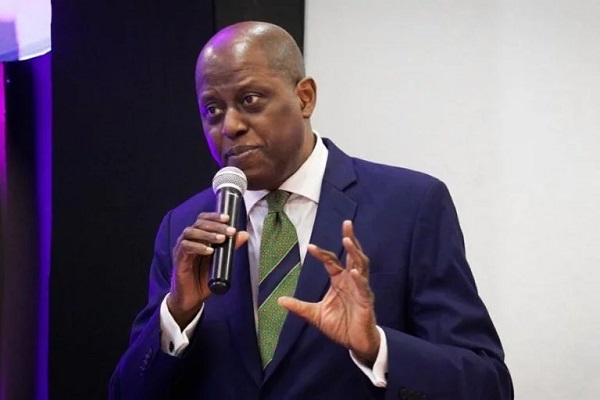
The Central Bank of Nigeria (CBN) is planning to shift its focus away from direct development finance interventions and transition into more of an advisory role in promoting economic growth, particularly under the new governor, Dr. Olayemi Cardoso…CONTINUE READING....KINDLY READ THE FULL STORY HERE▶

According to a document we obtained, under Cardoso’s leadership, the CBN will no longer directly engage in development finance initiatives.
As a result, this change may signal the end of various CBN intervention programs, such as the Anchor Borrowers Programme, the 100 for 100 Policy on Production and Productivity (PPP), the Real Sector Facility (RSF), and the Nigeria Electricity Market Stabilization Facility, among others. These programs have seen disbursements of over N9.71 trillion in the past three years.
The document emphasizes that the CBN’s involvement in development financing has led to a blurring of the lines between monetary policy and fiscal intervention.
In a bid to return the CBN to its core mandate, the plan is to transition it into a more limited role centered on providing advice to support economic growth.
Consequently, the CBN’s advisory roles will encompass acting as a catalyst for the establishment of specialized institutions and financial products that boost emerging sectors of the economy.
They will work on facilitating new regulatory frameworks to unlock untapped capital in land and property holdings, improving access to consumer credit, and expanding financial inclusion.
The focus will also be on reducing risk to attract more private sector investment in housing, textiles and clothing, food supply chains, healthcare, and educational supplies.
These sectors exhibit significant demand patterns and potential for high local input and value retention, which can serve as the foundation for rapid industrialization.
The CBN will also utilize its convening power to bring together key multilateral and international stakeholders in both government and private sector initiatives.
Stay connected via Google News
Follow us for the latest travel updates and guides.



Latest7 hours ago
Super Eagles Crisis? Akor Adams Demands Immediate Team Overhaul After Setbacks

Latest8 hours ago
Mbappé Sparks Real Madrid Manager Rumours With Mysterious Social Media Activity

Latest8 hours ago
Breaking: El-Rufai’s Bail Bid Thrown Out Amid Serious Corruption Allegations

Latest8 hours ago
Breaking: Tinubu Moves To Secure Senate Backing for $516m Borrowing Plan

Latest8 hours ago
Breaking: Tinubu Rejects Senators’ Demand for Automatic Return Tickets

Latest4 days ago
Breaking: Federal Government Of Nigeria Bans Cement Importation, Releases Full List Of Restricted Goods

Latest2 days ago
Breaking: Complete List Of Charges Filed Against Timipre Sylva And Alleged Coup Network Exposed

Latest3 days ago
Supreme Court Shocks Kano Emirate Case, Adjourns Hearing Till 2027

Latest5 days ago
Bold Warning From PDP Chieftain As Bode George Advises Tinubu To Avoid Sycophants

Latest1 week ago