
Latest
Ten Benefits Of The 2023 Electricity Act Bill Signed By President Asiwaju Bola Ahmed Tinubu (FULL DETAILS)

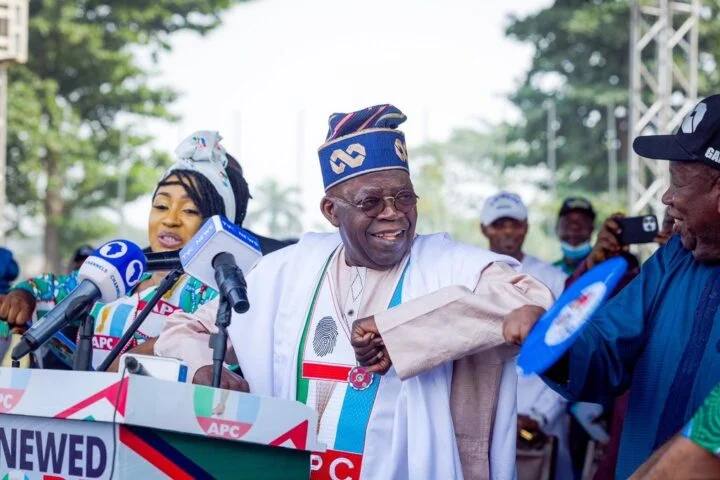
Ten Benefits Of The 2023 Electricity Act Bill Signed By President Asiwaju Bola Ahmed Tinubu (FULL DETAILS)....KINDLY READ THE FULL STORY HERE▶
Written By Oshiobugie Omo-Ikirodah

Earlier today, President Bola Tinubu approved the new Electricity Act, which replaces the 2005 Electricity and Power Sector Reform Act. CONTINUE READING
CONTINUE READING
- “Kwankwaso Did More For Tinubu To Be President”- Deji Adeyanju Knocks Down Ganduje – BushRadio (bushradiogist.com)
- “He Is The Best President Already”- Nigerians Praise Bola Tinubu As He Signs Electricity Act Into Law (DETAILS) – BushRadio (bushradiogist.com)
- The passage suggests that individuals have the opportunity to establish, possess, or manage a power generation project with a combined capacity of up to one megawatt at a specific location. Similarly, they may also establish a power distribution project with a combined capacity of up to 100 kilowatts at a specific location.
- Electricity generation license holders have a responsibility to fulfill renewable generation requirements as prescribed by the Nigerian Electricity Regulatory Commission.
- Electricity generating firms will be required to either produce electricity from renewable energy sources, procure electricity generated from renewable sources, or obtain any instrument that represents renewable energy generation.
- Lawmakers are empowered to exercise oversight functions and responsibilities over the Nigerian Electricity Supply Industry (NESI) through the respective Power Committees in the Senate and House of Representatives.
- States, companies, and individuals are empowered to engage in the generation, transmission, and distribution of electricity.
- States have the authority to regulate their own electricity markets by granting licenses to private investors, enabling them to operate mini-grids and power plants within the state. However, the Act prohibits the distribution of electricity across state borders or internationally.
- The Nigerian Electricity Regulatory Commission will possess the regulatory authority to oversee the electricity sector within Nigeria.
- The commission has the ability to transfer regulatory responsibilities from itself to state regulators once they are established.
- NERC will retain the responsibility of regulating electricity businesses in states until those states have enacted their own electricity market laws.
- Currently, only three states—Lagos, Edo, and Kaduna—have implemented electricity market laws and are capable of regulating their respective electricity markets. However, in states without such laws, NERC will continue to regulate the generation and transmission of electricity.
Source: Bushradiogist


Latest4 minutes ago
Controversy Erupts As Brymo Urges Wizkid, Burna Boy, Davido To Exit Music Scene

Latest8 minutes ago
Fresh Political Drama As Obi Dares Accusers Over Party Donations

Latest14 minutes ago
Oshiomhole Speaks Out, Says He Regrets Any Embarrassment To Senate Over Akpoti-Uduaghan Suspension

Latest34 minutes ago
Big Trouble For Subscribers As NCC Signals Possible Increase In Call Charges

Latest1 hour ago
Labour Erupts Over Minimum Wage Tax, Demands Better Pay For Nigerians

Latest1 week ago
Saraki Camp Hit By Major Setback As Kwara PDP Governorship Candidate Defects

Latest1 week ago
Real Recognizes Real: Saliu Mustapha Joins Wike As Tinubu Commissions Landmark Abuja Project(Photos)

Latest3 days ago
Family Speaks: How General Abubakar Died, Reveals Wife Still In Bandits’ Captivity

Latest6 days ago
Inside The Green Chamber: Full List Of 37 Constitutional Amendment Bills Put To Vote

Latest1 week ago