
Politics
Breaking News: Federal Government Attributes Rising Death Rate To Inadequate Primary Healthcare

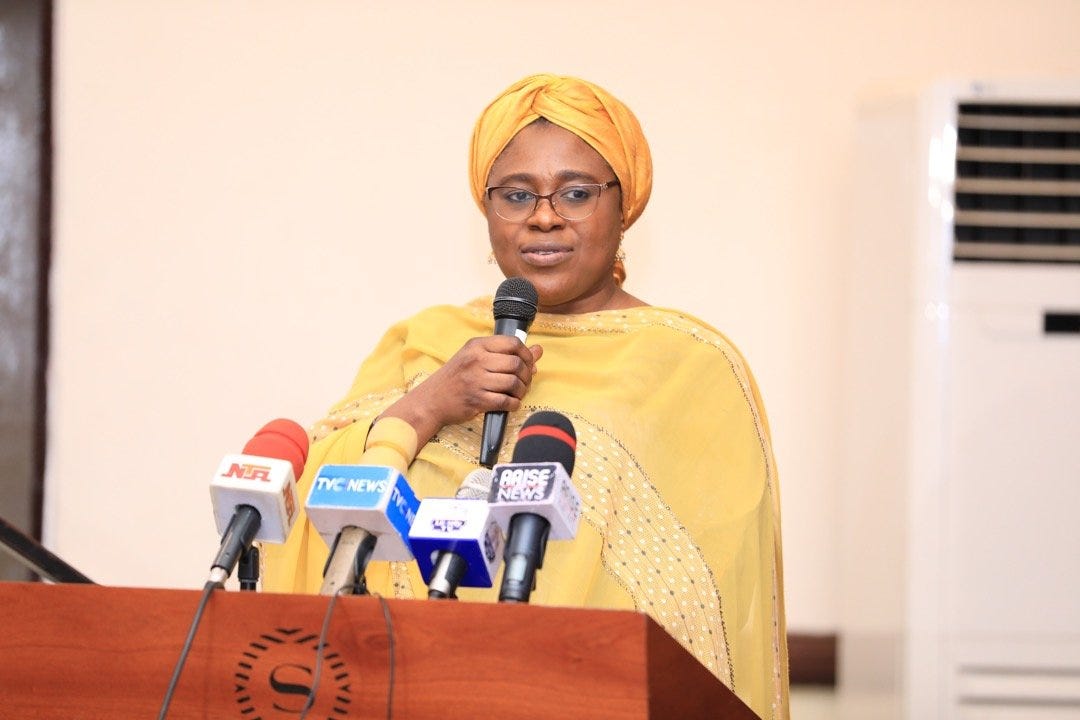
Breaking News: Federal Government Attributes Rising Death Rate To Inadequate Primary Healthcare....KINDLY READ THE FULL STORY HERE▶
Inadequate Primary Healthcare Contributes to Increased Mortality Rates, Says Presidential Health AdviserDr. Salma Anas-Ibrahim, the Special Adviser to President Bola Tinubu on Health Matters, highlighted the detrimental impact of neglecting primary healthcare in Nigeria, particularly in exacerbating morbidity and mortality rates, especially related to pregnancy…..CONTINUE READING
READ ALSO:https://bushradiogist.com/breaking-news-tinubu-promises-to-bring-peace-to-plateau-says-shettima/
Speaking at the seventh annual conference of the Association of Nigeria Health Journalists in collaboration with the World Health Organisation in Nasarawa State, Anas-Ibrahim outlined the challenges hindering efforts to reduce maternal and child deaths. She pointed to a poorly functional Primary Healthcare (PHC) system, citing issues such as low healthcare coverage for life-saving interventions, ill-equipped and weak service delivery systems, and insufficient coverage with community and household-level interventions.
Anas-Ibrahim emphasized that PHC is crucial for establishing a resilient health system capable of delivering services that support Universal Health Coverage (UHC) and ensure health security. Despite this, she noted that PHC in Nigeria has received inadequate attention, making it the weakest link in the health service delivery system, particularly concerning pregnancy-related conditions.
The presidential aide stressed the need for an integrated system that guarantees pregnant women the necessary quality of care, including coverage under health insurance. She highlighted the role of PHC in improving access to healthcare for the attainment of UHC, contributing to holistic, comprehensive, and sustainable national growth and development.
Anas-Ibrahim acknowledged Nigeria’s significant contribution to the global burden of maternal and newborn deaths, underscoring the nation’s responsibility for about 30% of the world’s gap in achieving the global target of eradicating mother-to-child transmission of HIV.
Identifying socio-economic challenges such as poor health-seeking behavior, low literacy, socio-cultural factors, long distances to health facilities, lack of transportation to referral facilities, poverty, and inadequate access to water, sanitation, and hygiene, Anas-Ibrahim emphasized the government’s commitment to leaving a legacy of a resilient PHC system. She outlined interventions addressing challenges, including inadequate distribution, infrastructure, equipment, and skilled human resources, with a focus on accountability mechanisms and collaborative partnerships between the government, development partners, private sector, Civil Society Organisations, the community, and the media.
Source: Bushradiogist


South Africa Stunned As Mexico Hand Them Opening-Day Defeat At 2026 World Cup

2027 Presidency: Peter Obi Declares Victory Possible Even Without State Governors’ Backing

Senate Takes Bold Step On State Police, Bill Scales Second Reading Amid Nationwide Debate

Fans React As Ruger Takes Time Off Music And Reveals The Real Reason

World Cup Kickoff! Mexico, South Africa Unveil Starting XIs For Historic Opener

Saraki Camp Hit By Major Setback As Kwara PDP Governorship Candidate Defects

Real Recognizes Real: Saliu Mustapha Joins Wike As Tinubu Commissions Landmark Abuja Project(Photos)

Power Speaking To Power: Why Oshiomhole Is Demanding Results, Not Excuses

Inside The Green Chamber: Full List Of 37 Constitutional Amendment Bills Put To Vote
