


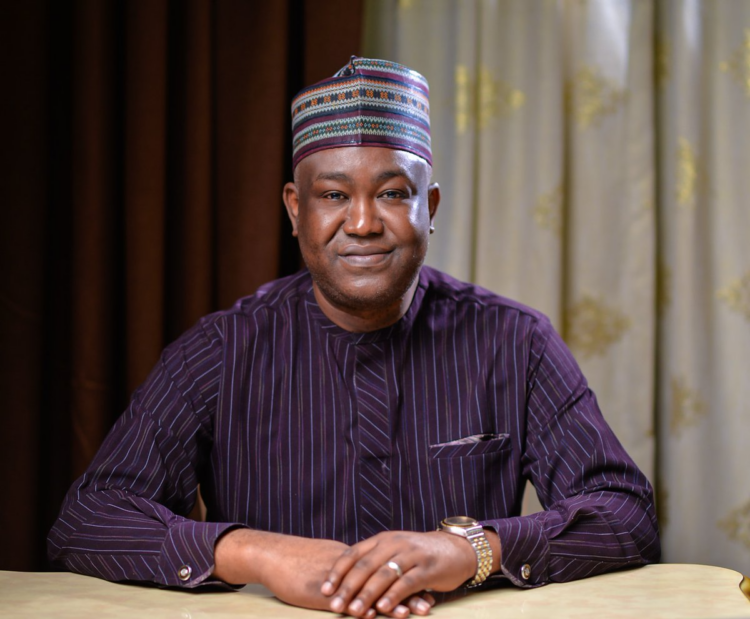
Gbenga Olawepo-Hashim, a former presidential candidate, has made an earnest plea to President Bola Ahmed Tinubu, who serves as Nigeria’s President and Chairman of the Economic Community of West African States (ECOWAS).....KINDLY READ THE FULL STORY HERE▶
Olawepo-Hashim has called for a reconsideration of the decision to deploy Nigerian troops for the purpose of invading Niger. This move is in line with ECOWAS’ resolution aimed at reinstating the ousted civilian government in Niger….CONTINUE READING
In a statement issued by his media office in Abuja, Olawepo-Hashim expressed his concerns. He acknowledged that while the intervention might achieve the objective of removing the military junta in Niamey, it simultaneously holds the potential to escalate security challenges in the North West and North East regions of Nigeria.
He cited the likelihood that remnants of the junta’s loyalists, seeking refuge from the invasion, could exacerbate the existing banditry issues that have plagued Nigeria for years.
The situation stems from the refusal of the country’s military leaders to heed an ultimatum to reinstate the elected president.
At an extraordinary summit addressing the crisis, West Africa’s regional leaders held in Abuja on the previous Thursday, they maintained that diplomatic solutions were being sought, without discarding the option of using force if necessary. The unconditional release and reinstatement of ousted President Mohamed Bazoum were also demanded.
Although the specific threat of invasion raises tensions in and around Niger, a significant uranium producer and a former ally in the West’s fight against Islamist insurgents in the Sahel region, Olawepo-Hashim emphasized that the interests of Nigeria are not directly at stake in Niger.
He argued that the issue in Niger is an internal matter and essentially a concern within the Francophone community.
Olawepo-Hashim urged a return to Nigeria’s historical foreign policy of advocating peace and security in Africa, embracing a stance of non-aggression and non-alignment.
He advocated for a renewed commitment to the principles of non-alignment that were championed by Nigeria and India, asserting that this policy had earned the nation respect and international friendship since its inception.


