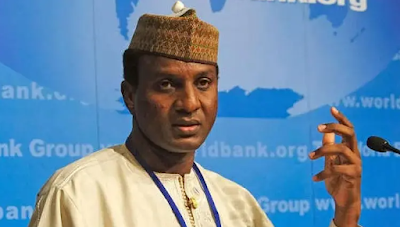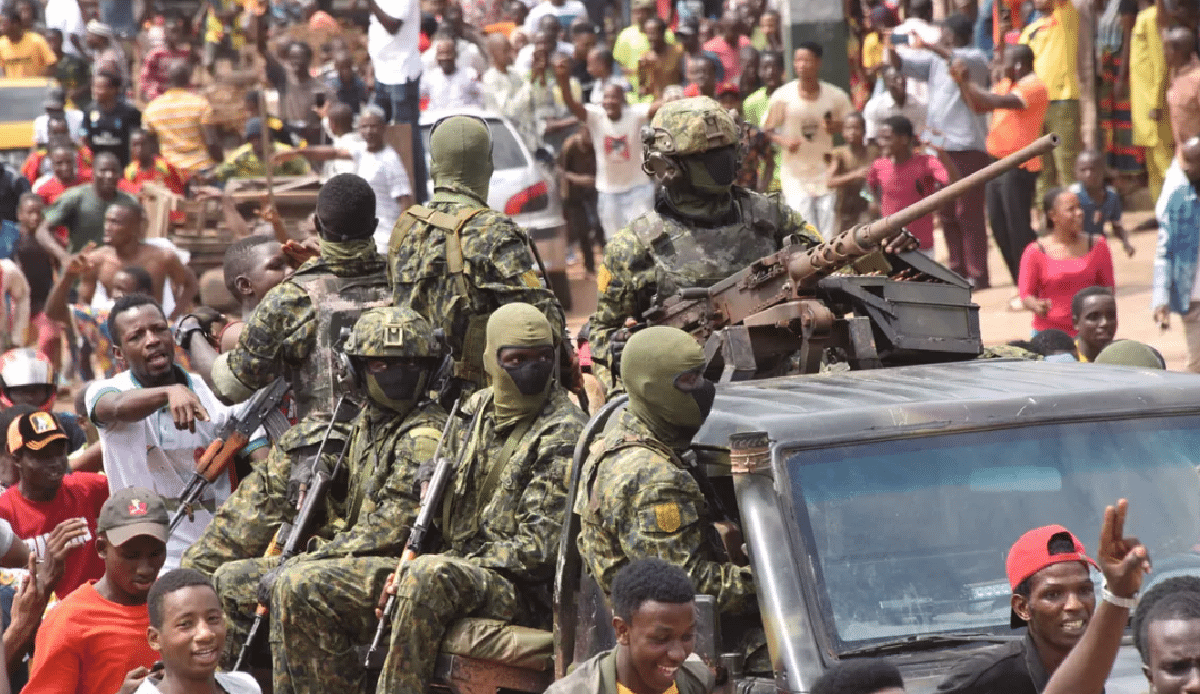
The Republic of Niger has fallen victim to yet another military coup, further compounding the woes of the beleaguered West African sub-region. On July 26, 2023, a group of soldiers toppled the democratically-elected government of Mohammed Bazoum, seizing power in the country.....KINDLY READ THE FULL STORY HERE▶
This development has left the international community stunned and concerned, particularly as West Africa is still grappling with restoring democratic order in countries like Guinea, Mali, and Burkina Faso, where their democracies were previously disrupted by military interventions….CONTINUE READING
Niger, a landlocked country, has been grappling with two Islamist insurgencies, adding to the complexity of the situation. Militant groups associated with al-Qaeda and the Islamic State are active in the region.
The news of another coup in Niger, marking the fourth successful coup in the sub-region in the last three years, has sparked anxiety among global leaders.
International organizations such as the Economic Community of West African States (ECOWAS), the United Nations (UN), the European Union, and the African Union, along with various member countries, have condemned the undemocratic takeover of power and threatened sanctions against the coup plotters.
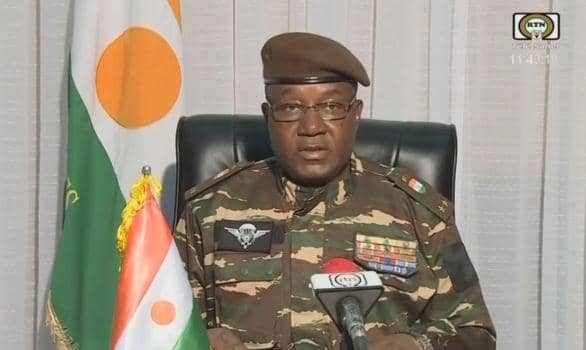
However, the soldiers who seized power and held President Bazoum hostage have remained defiant. On Friday, they announced the appointment of 62-year-old Abdourahmane Tchiani, head of Niger’s presidential guard, as the leader of a transitional government and head of state.
The plotters claim that the coup was carried out to prevent the “gradual and inevitable demise” of the country.
Tchiani made the announcement on state-run television, proclaiming himself as the “president of the National Council for the Safeguard of the Homeland.” He criticized Bazoum’s leadership, citing a grim reality of casualties, displacement, humiliation, and frustration.
However, he refrained from providing a timeline for the return to civilian leadership.