
Politics
Presidency Expresses Concern Over Removal Of Fuel Subsidy, Fearing Erosion of Goodwill


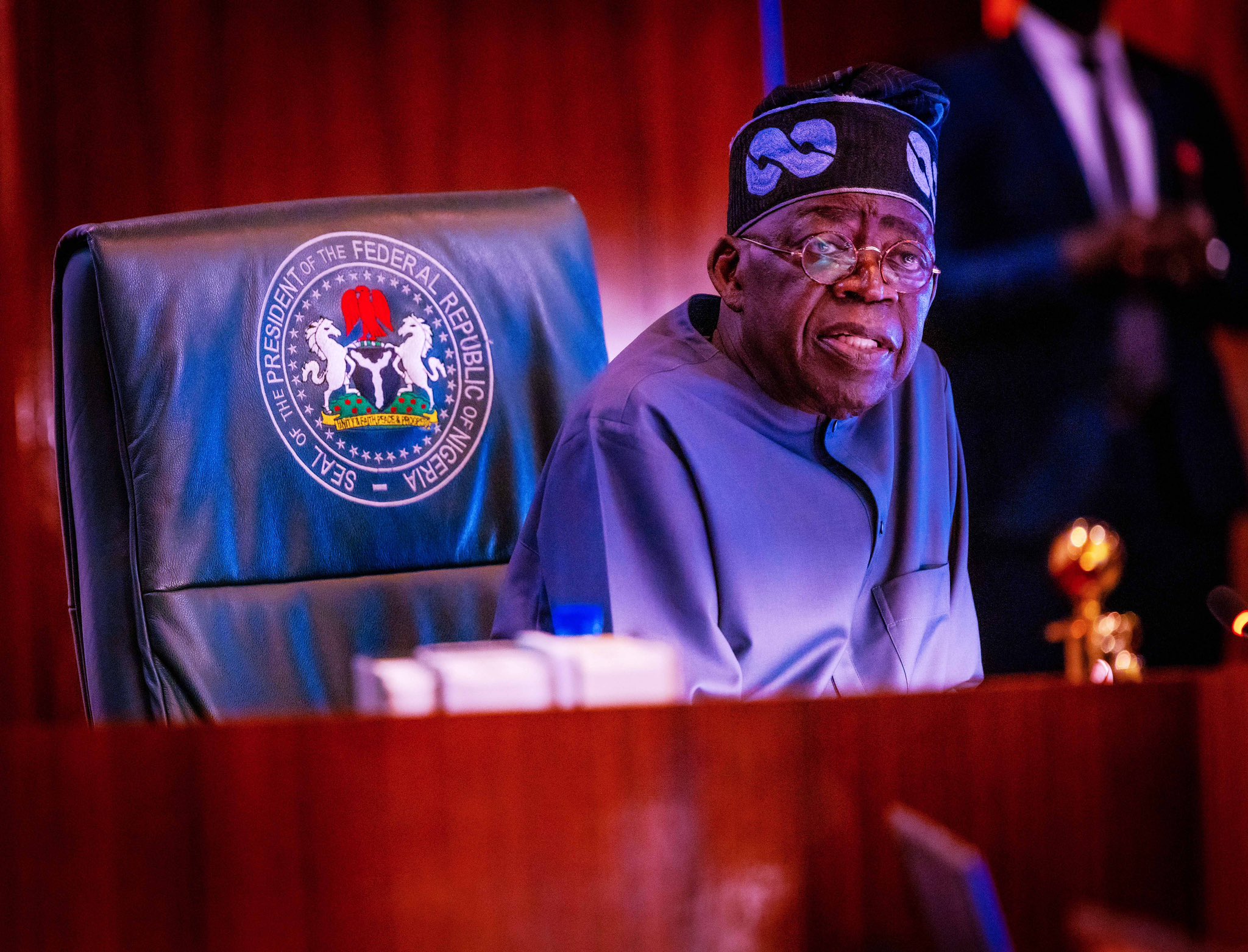
The decision to eliminate fuel subsidy has had detrimental effects on the economic well-being of Nigerians, plunging many into poverty, and eroding the government’s public support, says the Presidency. The administration is reportedly alarmed by the escalating negative impact of certain policies on the population.....KINDLY READ THE FULL STORY HERE▶
President Bola Tinubu had announced the subsidy removal on May 29, citing the need to stop subsidizing fuel for neighboring countries.
However, an anonymous close aide of the President revealed that the government is wary of losing the remaining goodwill it enjoys due to the repercussions of such policies on the citizens….CONTINUE READING
In a conversation with Saturday PUNCH, the aide explained that while the government prefers not to intervene in setting pump prices in a deregulated economy, the adverse consequences of the subsidy removal prompted a reconsideration of this stance.
The security reports received by the government reportedly indicate a looming threat of civil unrest and escalated tension.
There are concerns that organized labor, civil society groups, and the opposition are contemplating actions that could lead to protests and potentially challenge the stability of the government.
The aide also noted the ongoing legal challenges to the election that brought President Tinubu into power, suggesting that protests at this time could worsen the situation for the administration.
The aide disclosed that the Nigerian National Petroleum Company Limited (NNPCL) and oil marketers have provided recommendations for the appropriate pump price of petrol.
However, the government is hesitant to implement any further price increases due to the risk of widespread protests.
To address the situation and stabilize the foreign exchange market, the NNPCL has secured a $3 billion crude repayment loan, which aims to bolster the value of the naira and subsequently impact fuel prices.
The Presidency’s apprehension stems from the belief that any additional hike in fuel prices could lead to widespread protests and unrest, posing a significant challenge to the administration’s stability and public support.
The government aims to find a balance between economic considerations and maintaining social harmony.



Sh*ck In Abia! Alex Otti Mourns US-Based Doctor Who Died At Free Medical Outreach

Breaking: Wike-Aligned PDP Bloc Makes Bold 2027 Presidential Declaration

Controversy Erupts In Lagos After Police, Developer Are Exonerated In Owode Onirin Case

Tension In Ibadan! Elders Move To Defuse Clash Between Olubadan And Makinde

Last-Minute Reprieve! Airline Operators Of Nigeria Suspends Planned Flight Shutdown

Abba Kabir Yusuf Declares: ‘I Am APC Leader In Kano, Ganduje Can’t Give Me Orders

Here’s What Happened” — Ex-Army Chief Buratai Speaks On Borno Airstrike Tragedy

Succession Buzz: Olusi Reveals Who May Replace Sanwo-Olu In 2027

Amaechi Sparks Debate: Atiku’s Electoral Strength May Be Confined To The North
