

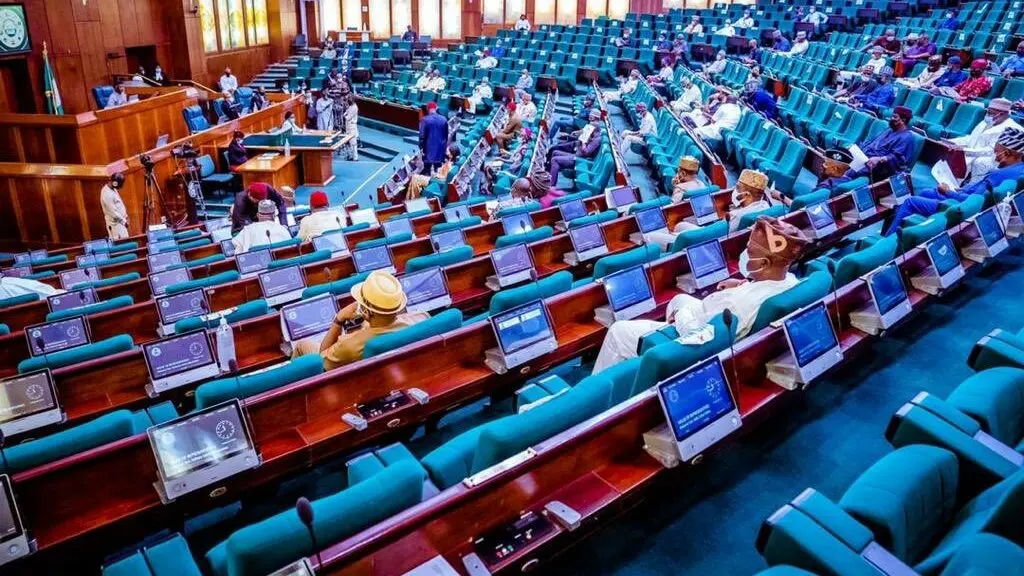
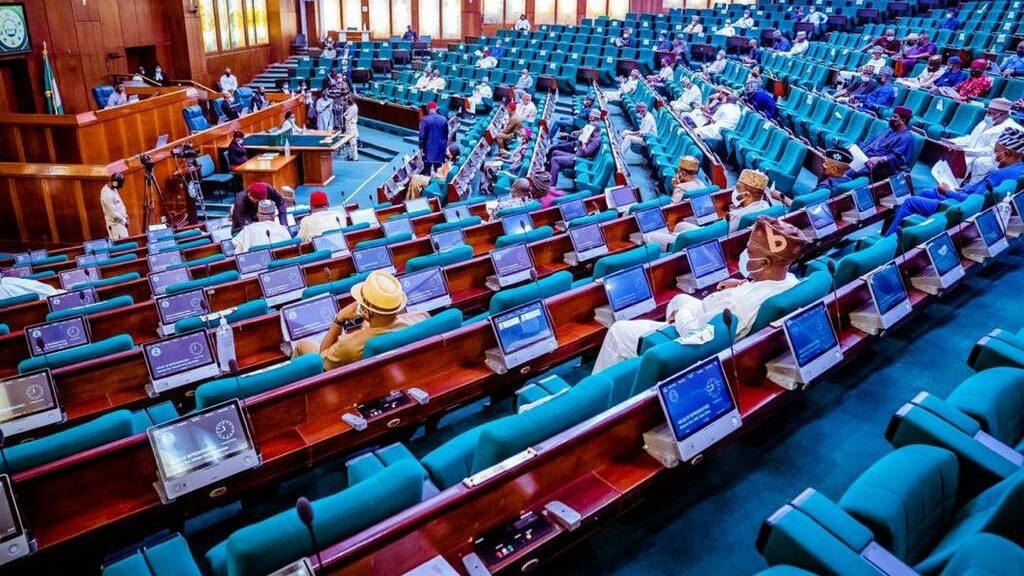
The House of Representatives has embarked on a significant endeavor aimed at reintegrating over 14 million out-of-school children into the Nigerian education system…CONTINUE READING....KINDLY READ THE FULL STORY HERE▶
This ambitious framework takes the form of an intervention orchestrated by the House Committee on Alternative Education, led by Rep.
Almustapha Ibrahim Aliyu (APC, Sokoto). Beyond mere enrollment, the initiative also seeks to equip these out-of-school children with essential skills, transforming them into valuable contributors to society.
In a statement released by Musa Kirirshi, the Special Adviser on media and publicity to the Speaker, Hon. Abbas Tajudeen, it was emphasized that the Green Chamber’s intervention not only focuses on education but also addresses the pervasive issues of poverty and value disparities.
This collaborative effort, carried out in partnership with pertinent government agencies, aims to enhance educational accessibility for all Nigerian children, aligning with the objectives of the Sustainable Development Goals (SDGs-4) advocating for qualitative and inclusive education for all.
Termed the ‘Nigeria Mass Reduction of Out-of-School children and Youth Project’ (NiMPROP), this initiative is slated to span a four-year period and promises a substantial reduction in the number of out-of-school children through non-formal accelerated education systems and alternative schooling programs, as stated by Rep. Almustapha Aliyu.
The House Committee is diligently collaborating with various government agencies, including the National Commission of Almajiri and out-of-school children, the National Commission for Mass Literacy, Adult and Non-Formal Education, and the National Commission for Nomadic Education.
Moreover, the committee is committed to lifting 16.5 million Nigerians out of poverty, which is seen as a vital step towards ensuring that out-of-school children can return to the classrooms.
Rep. Aliyu indicated that the committee has engaged in productive discussions with relevant agencies over the past week, receiving positive responses. All necessary mechanisms are now in place to actualize this intervention as the House prepares to reconvene from its annual recess on Tuesday.
Part of this holistic initiative is geared towards significantly reducing poverty across the six geopolitical zones of Nigeria. According to data from the National Bureau of Statistics (NBS), the Northeast region has the highest poverty index, with 71.86 percent of its population living in poverty, followed by the Northwest with 64.84 percent.
The North Central region has a poverty rate of 42.70 percent, while the South East stands at 42.44 percent, the South South at 21.28 percent, and the South West at 12.12 percent.


