
Politics
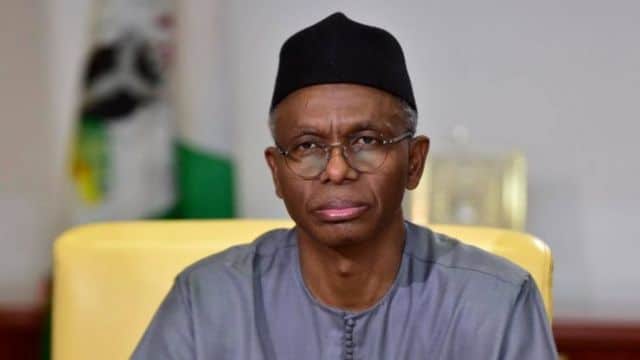
Former Kaduna State Governor Nasir El-Rufai Credits Economic Growth and Job Creation To Obasanjo’s Second Term

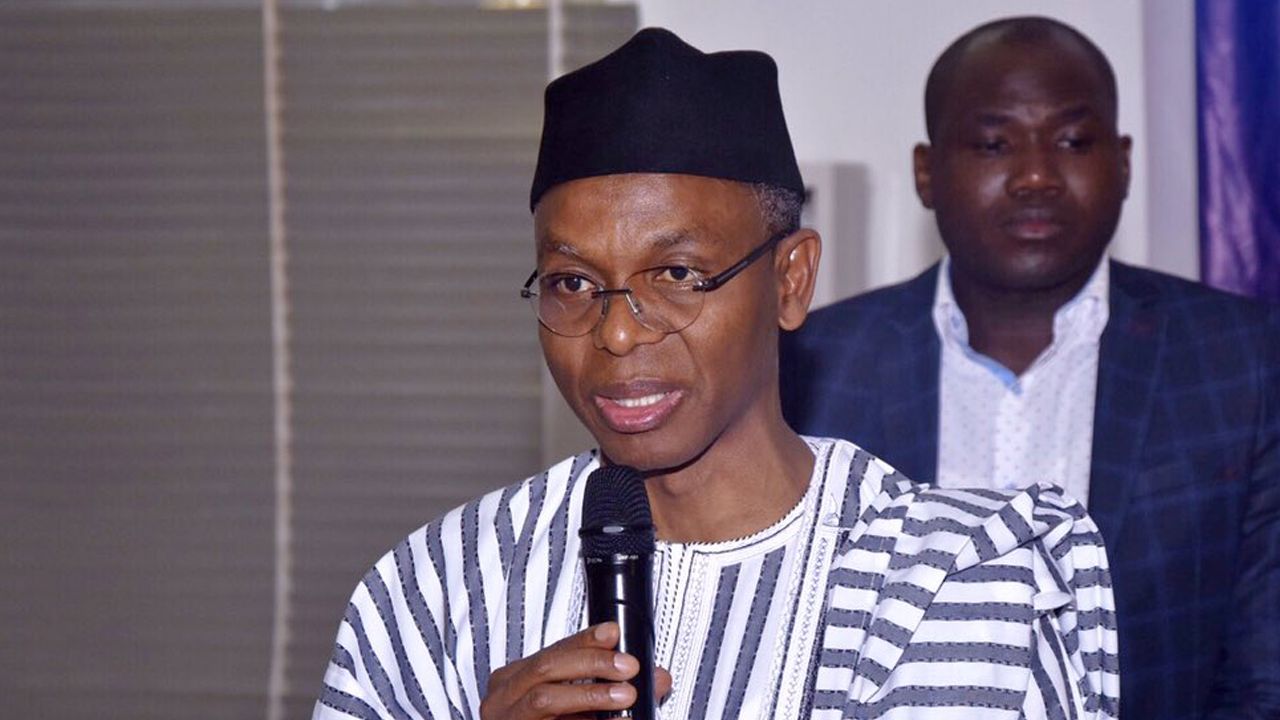
Former Governor of Kaduna State, Nasir El-Rufai, highlighted that Nigeria witnessed a period of economic growth, job creation, and reduced inflation during the second term of former President Olusegun Obasanjo….CONTINUE READING
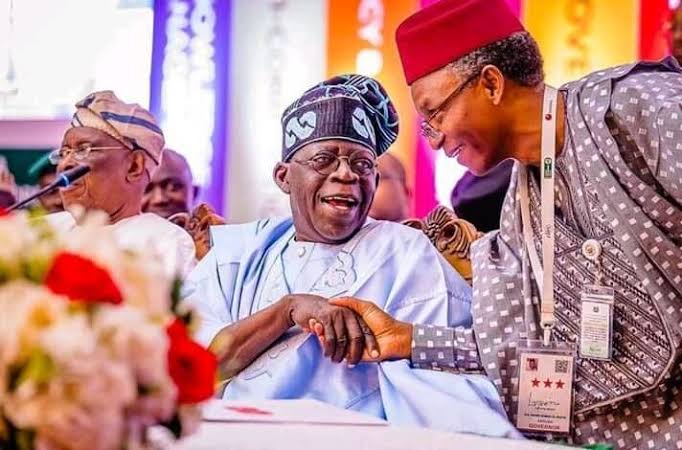
El-Rufai made these remarks on Friday during a session at the Africa In the World conference held in Stellenbosch, South Africa.
El-Rufai emphasized that Nigeria benefited from a return to comprehensive integrated planning during that era and was fortunate to experience economic prosperity.
He noted the significance of planning committees, which he deemed “absolutely relevant” in most developing nations.
He explained, “While Nigeria does have a planning commission, its effectiveness has been limited. If you examine Nigeria’s economic trajectory, the most successful period of economic growth, job creation, and inflation reduction occurred during President Obasanjo’s second term from 2003 to 2007. During this time, the country embraced integrated planning, and we also received a stroke of luck.”
El-Rufai continued, “As oil prices began to rise, we didn’t squander the windfall because we had a well-thought-out plan. We established an excess crude account (ECA) based on fiscal rules, where any surplus above a certain benchmark crude oil price was channeled into that savings account. This allowed us to eliminate all of our foreign debt.”
He highlighted that Nigeria’s fiscal health was at its zenith in 2007, enabling the country to weather the global financial crisis of 2008 with minimal impact.
El-Rufai stated, “Nigeria was largely unaffected because we had substantial savings and significant reserves, which allowed us to absorb the shock without facing internal issues, unlike many other countries.”
To achieve accelerated economic growth, El-Rufai stressed the importance of long-term and coordinated planning, as well as the involvement of all stakeholders in the process.


Dele Momodu Sparks Political Buzz With Claim On Obasanjo’s Preferred 2027 Ticket

Peter Obi Rules Out 24-Hour Electricity Promise, Explains Why

Fresh Twist In NSIPA Probe As Halima Shehu Links Betta Edu To Unauthorized Payments

Davido Vs MC Oluomo: War Of Words Erupts Over Gov. Adeleke’s NURTW Decision

Rufai Oseni Sparks Debate As He Questions Peter Obi’s Plan To Fix Nigeria

Fresh Details Emerge On Operation That Led To PFIPC ‘Fake DG’ Adeyemi’s Arrest

El-Rufai’s Medical Report Sparks Fresh Crisis As MDCAN Probes Doctor, ICPC Files Charges

Why Is It Not Implemented?’—Lawmaker Blasts FG Over 2025 Budget Delay

Sh*ckwaves As Fashola Reveals Where He Stands On The Presidency
