
Politics
Former Senator Shehu Sani Explores Reasons Behind Military Takeovers In Africa

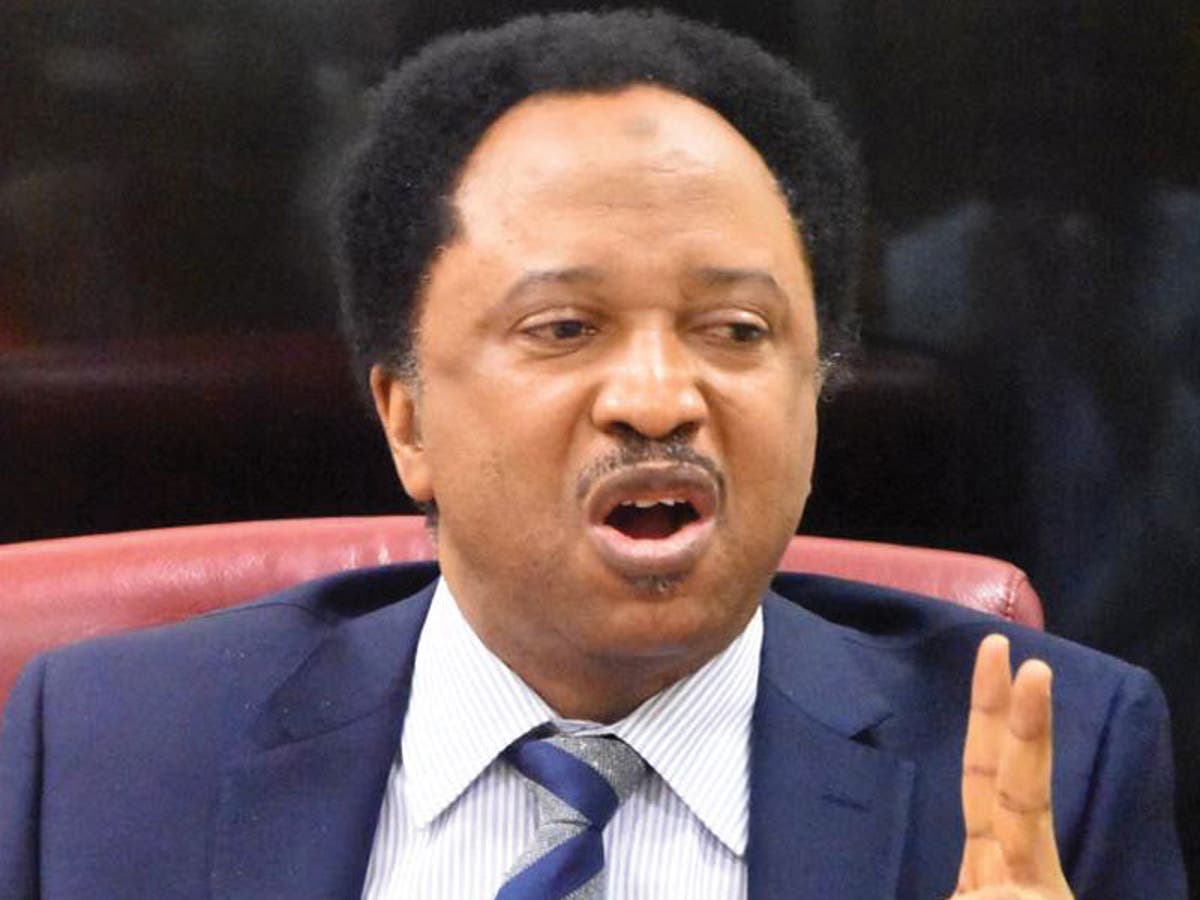

In a comprehensive analysis, former Nigerian Senator Shehu Sani sheds light on the recurring phenomenon of military coups in Africa, particularly within the West African sub-region.....KINDLY READ THE FULL STORY HERE▶
Sani identifies several underlying factors that contribute to the persistent interruption of democratic governance by military junta.
Sani contends that the prevalence of military takeovers can be attributed to the opportunities created for them within specific circumstances….CONTINUE READING
He underscores a troubling pattern in which democratic governance deteriorates across African member states, and regional and sub-regional bodies only react when coups occur, inadvertently fostering an environment conducive to military intervention.
Reflecting on the recent coup in Niger Republic, Sani asserts that the erosion of democratic values, including electoral rigging, disrespect for the rule of law, and constitutional violations, paves the way for the breakdown of democracy. This first condition sets the stage for military interventions to be perceived as solutions.
Economic inequity and inequality, Sani states, play a pivotal role in fomenting the conditions for coups. Widespread poverty contributes to social dislocation and crisis, creating an atmosphere where the illegal overthrow of the government might appear justifiable due to the suffering of the populace.
Additionally, Sani highlights the rise of terrorist groups such as Boko Haram, ANSARU, and ISWAP in the Sahel region.
This has led to civilian authorities relying heavily on the military for safety and security, blurring the lines between civil and military spheres of influence.
In sum, Sani’s analysis underscores a complex interplay of factors that collectively create an environment conducive to military interventions.
By addressing issues such as democratic erosion, economic inequality, and security challenges, African nations can work toward preventing military coups and fostering stable democratic governance.





Sh*ck In Abia! Alex Otti Mourns US-Based Doctor Who Died At Free Medical Outreach

Breaking: Wike-Aligned PDP Bloc Makes Bold 2027 Presidential Declaration

Controversy Erupts In Lagos After Police, Developer Are Exonerated In Owode Onirin Case

Tension In Ibadan! Elders Move To Defuse Clash Between Olubadan And Makinde

Last-Minute Reprieve! Airline Operators Of Nigeria Suspends Planned Flight Shutdown

Abba Kabir Yusuf Declares: ‘I Am APC Leader In Kano, Ganduje Can’t Give Me Orders

Here’s What Happened” — Ex-Army Chief Buratai Speaks On Borno Airstrike Tragedy

Succession Buzz: Olusi Reveals Who May Replace Sanwo-Olu In 2027

Amaechi Sparks Debate: Atiku’s Electoral Strength May Be Confined To The North
